ART & CREATIVE DIRECTION
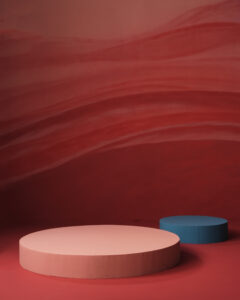

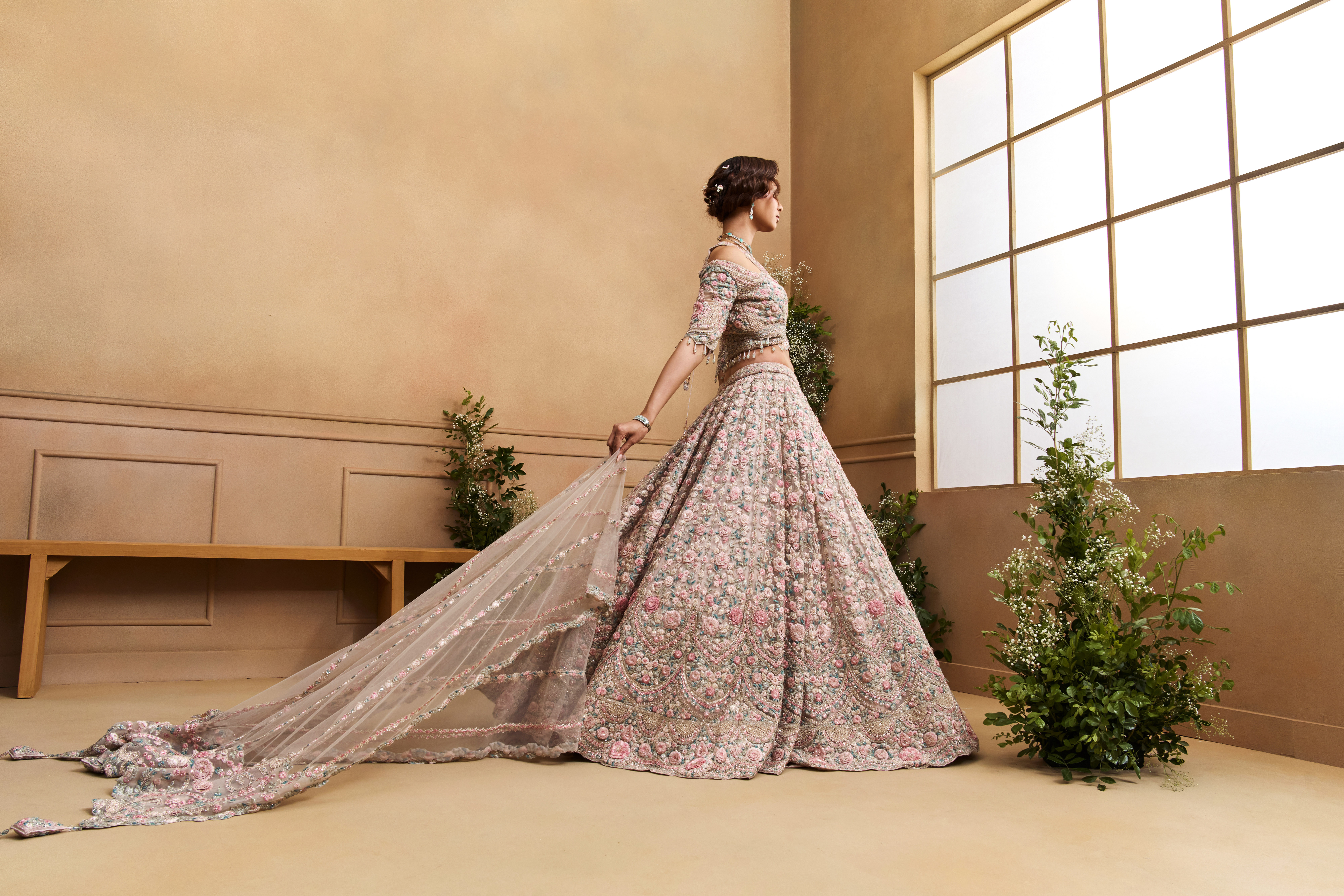
Here is why a curated set design is essential for a theme like "FLORAL EDIT":1. Narrative CohesionA "Floral Edit" isn't just about flowers; it’s about a curated, "edited" version of nature. By choosing a specific set—whether it’s a minimalist studio setup with Ikebana-style arrangements or a lush, overgrown garden look—you provide the "why" behind the clothing. The set tells the story of where these pieces belong.2. Texture and DepthFloral patterns can sometimes feel "flat" on camera if the background is too plain. A thoughtful set design adds:Tactile Contrast: Using materials like raw silk, weathered wood, or stone against soft floral fabrics.Shadow Play: Using lighting to mimic sunlight filtering through leaves (Gobo lighting), which adds a cinematic layer to the "Floral" theme.3. Color TheoryThe set design allows you to control the color palette to make the collection "pop."Monochromatic: Using a backdrop that matches the base tone of the florals for a high-fashion, "submerged" look.Complementary: Using earthy, neutral tones (terracotta, beige, sage) to let the vibrant floral prints take center stage without competition.4. Defining the "Edit"The word "Edit" implies sophistication and selection. A standard field of flowers might look like a generic lifestyle shoot, but a structured set design—perhaps with architectural elements or clean geometric lines paired with soft flora—signals that this is a high-end, professional production.
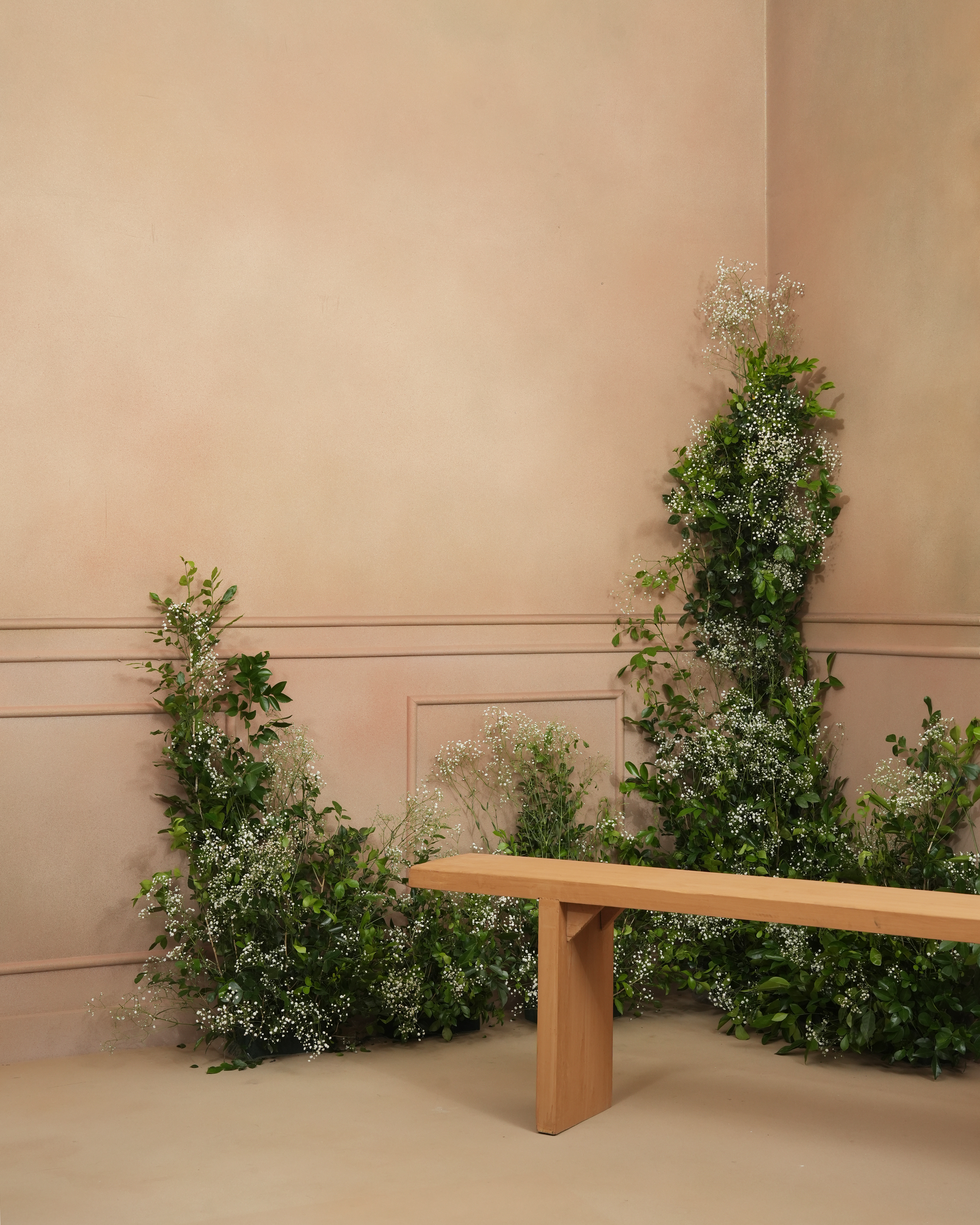
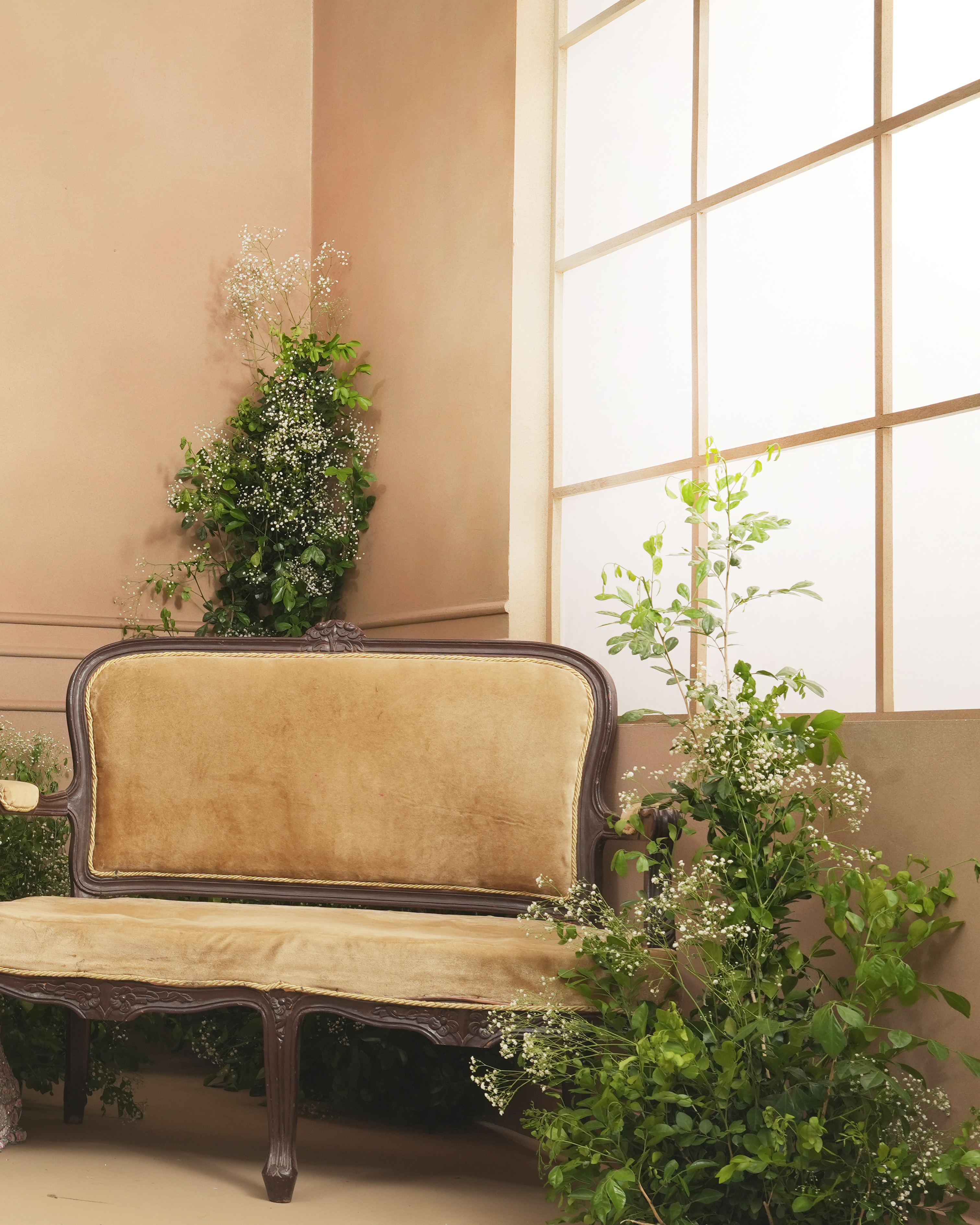
Creative Justification: The "FLORAL EDIT" Set DesignThe Concept: The goal for the FLORAL EDIT set design is to move beyond a traditional botanical backdrop and create a high-fashion "Editorial Atmosphere." We want the set to feel like a curated gallery—where nature and architecture intersect.Why this specific design works for your collection:Elevated Storytelling: By using a structured set (rather than a simple garden), we emphasize the word "Edit." It signals to the audience that these pieces are sophisticated, intentional, and part of a high-end fashion narrative.Visual Depth & Texture: To ensure the floral patterns on the garments remain the hero, I’ve selected a set with neutral, tactile textures (like [mention your material, e.g., raw plaster, stone, or draped linen]). This creates a "matte" contrast that makes the colors and intricate prints of the collection truly pop.Cinematic Lighting Integration: The set is designed to work with Gobo lighting techniques, allowing us to simulate natural light filtering through leaves or windows. This adds a sense of "time and place," making the images feel like a memory or a cinematic still rather than a standard catalog shot.Brand Consistency: This design aligns with the Art & Creative Direction we’ve established, ensuring the collection feels cohesive with your brand’s visual identity while providing enough versatility to highlight different silhouettes within the edit.
The "Why": Always frame your choices as a way to increase the perceived value of their products.
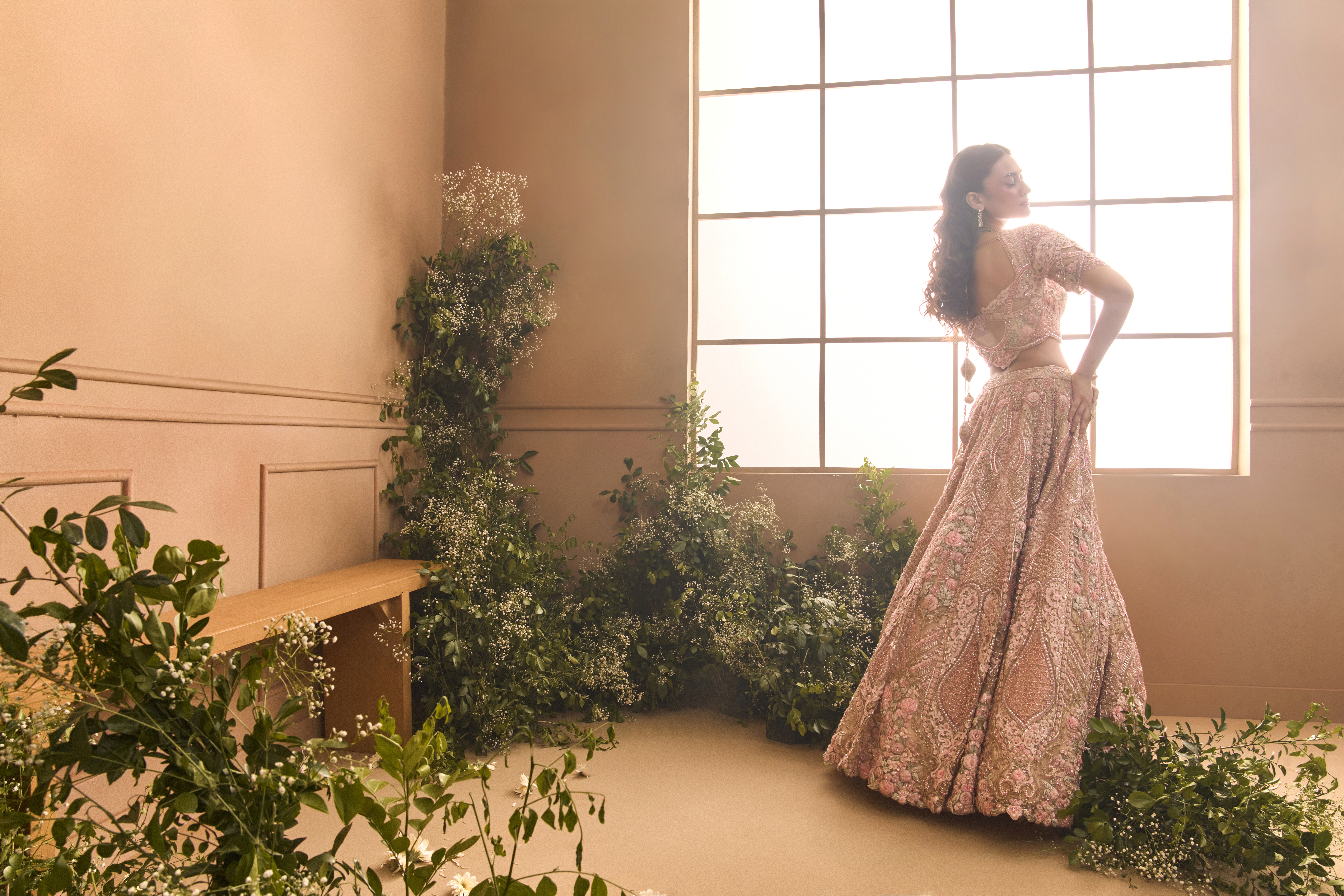
Creative Justification: The "FLORAL EDIT" Set DesignThe Concept: For the FLORAL EDIT, I designed a set that balances organic beauty with architectural structure. The centerpiece of this design is a custom window element, which serves as the heart of our visual narrative.Why the Window is Essential:Motivational Lighting: The window provides a "reason" for the light. It allows us to create cinematic, directional light that mimics the soft glow of a morning sun. This adds a natural, high-end feel to the garments that a standard studio setup cannot achieve.A "Sense of Place": By incorporating a window, we move from a simple backdrop to a curated environment. It suggests a story—an elegant, sun-drenched space where the collection lives—making the "Floral Edit" feel like an aspirational lifestyle rather than just a product shoot.Composition & Framing: The window acts as a "frame within a frame." It creates clean, geometric lines that provide a beautiful contrast to the soft, flowing floral patterns of the collection, ensuring the model remains the absolute focal point.Depth and Dimension: Using the window allows us to play with shadows and bokeh (background blur). It gives the images a three-dimensional quality, making the textures of the fabric look rich and tactile.
"I didn't just want to photograph flowers; I wanted to capture the feeling of natural light hitting them through a window. It makes the collection feel more 'editorial' and exclusive."